Why Your Neighbour's Electricity Bill Is Lower Than Yours
Discover why your neighbour may pay less for electricity and how smarter solar, batteries, tariffs, and energy habits can reduce your power bills.

Join Australia’s solar and battery revolution. Get A Free Quote

Solar Battery Power & Savings

Unlock Available Incentives Today

Australia-wide installation & support

July 08, 2026
 Share
Share


Many Australian homeowners install solar panels expecting lower electricity bills and long-term savings. While solar systems do reduce reliance on grid electricity, there's one important detail that often gets overlooked by the hidden cost of exporting excess solar energy back to the grid.
Years ago, exporting unused solar energy was considered a great financial benefit because feed-in tariffs were much higher. Today, the situation has changed. In many parts of Australia, export payments have significantly decreased, while electricity prices continue to rise. That means homeowners are often selling their excess solar energy cheaply during the day and buying it back at a much higher rate in the evening.
Understanding how solar exports work can help you maximize your investment and make smarter energy decisions.
When your solar panels produce more electricity than your home is using, the surplus energy flows back into the electricity grid.
Your electricity retailer may provide a feed-in tariff (FiT), which is a small payment or credit for every kilowatt-hour (kWh) exported.
While receiving credits sounds beneficial, many homeowners don't realize the value of exported electricity has dropped dramatically over recent years.
Here's the simple reality.
| Electricity Flow | Average Value |
|---|---|
| Buying electricity from the grid | High |
| Selling excess solar to the grid | Low |
For example:
This price gap is where many homeowners unknowingly lose money.
Instead of using your own clean energy when you need it most, you're forced to purchase expensive electricity after sunset.
1. Low Feed-in Tariffs
Feed-in tariffs have gradually reduced across many Australian states.
As more households generate solar energy during daylight hours, excess electricity floods the grid, reducing its value.
The result?
You produce valuable electricity but receive relatively little in return.
2. Peak Electricity Prices
Most households use the highest amount of electricity during:
Unfortunately, this is exactly when solar panels stop generating electricity.
Without storing solar energy, homeowners rely heavily on expensive grid power.
3. Wasted Solar Potential
Many homes export large amounts of electricity simply because nobody is home during the day.
Instead of powering your own appliances later, that energy leaves your property permanently.
It's clean energy that could have reduced your future electricity costs.
4. Rising Network Demand
Australia's electricity network experiences increased demand during evening hours.
This contributes to:
Using more of your own solar energy helps reduce dependence on the grid during these peak periods.
The real value of solar isn't just generating electricity.
It's using your own electricity instead of buying it back later.
The more solar energy your household consumes directly, the greater your financial benefit.
This approach is often called self-consumption, and it's becoming increasingly important as export payments decline.
Solar Tip:Every unit of solar energy you use at home can be worth far more than the small credit earned by exporting it.
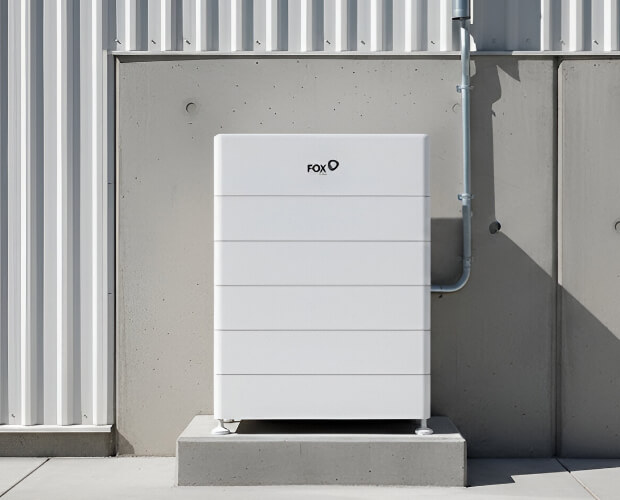
One of the most effective ways to reduce unnecessary solar exports is through battery storage.
Instead of sending excess electricity to the grid during the day, a battery stores that energy for later use.
This allows homeowners to power their homes after sunset using electricity they've already generated.
Benefits include:
Battery storage doesn't create more solar energy; it simply helps you use more of the energy you've already produced.
Imagine your solar system producing 30 kWh during the day.
Your home only uses 10 kWh while the sun is shining.
Without battery storage:
With battery storage:
The difference can add up over time.
Even without battery storage, homeowners can improve solar usage by shifting electricity consumption to daylight hours.
Consider running:
during periods of strong solar production.
This increases self-consumption and reduces reliance on the grid later in the day.
Absolutely.
Exporting surplus electricity is still beneficial because every credit helps offset electricity costs.
However, relying solely on feed-in tariffs is no longer the most effective strategy for maximizing savings.
Today's energy landscape rewards homeowners who consume more of their own solar energy rather than exporting large amounts.
Every home has unique energy usage patterns.
At Solar Secure, we help homeowners understand how to get the most value from their solar investment by recommending solutions that match their lifestyle and energy consumption.
Whether you're installing a new solar system, upgrading an existing one, or exploring battery storage options, our team focuses on practical solutions designed to improve long-term energy efficiency and reduce reliance on the grid.

Solar panels remain one of the smartest investments for Australian homeowners but understanding how exported electricity is valued is essential.
As feed-in tariffs continue to decline and electricity prices rise, maximizing self-consumption has become one of the biggest opportunities for increasing long-term savings.
By using more of the energy your system generates and reducing unnecessary exports, you can make your solar investment work even harder for your household.
Reach Out to SunSelect at 1300 867 353 for Expert Guidance and Money-Saving Options. Explore the Reviews from Our Delighted Customers on ProductReview.com.au.
Make the smart move to energy independence with our solar batteries
Ask Our Battery Expert

Store your excess solar energy, cut peak rates, and protect your home from outages.
Get a free quote tailored to your location
100% Free Quote. No Obligation.
We respect your privacy.

Enter your postcode to see available offers in your area.



Home Energy Saver Loan Program
Available from 17 June 2026