How to Know If Your Solar System Is Underperforming
Is your solar system underperforming? Learn the common signs to watch for, from lower energy production to unexpected electricity bills.

Join Australia’s solar and battery revolution. Get A Free Quote
December 19, 2025
 Share
Share


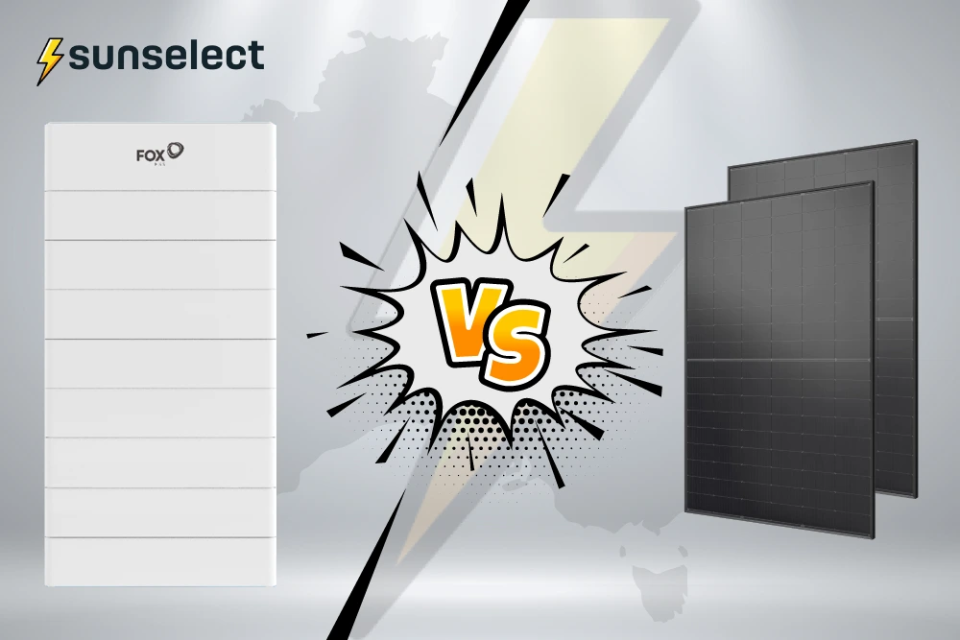
If you’ve been watching the energy market in 2025, you might have noticed a shift. For years, the headlines were all about more solar panels. But in 2025, the conversation flipped. While solar installation rates have stabilized (and in some large-scale sectors, slowed), investment in battery storage is skyrocketing.
Why is the Battery Boom outpacing the solar rush? And more importantly, what does this mean for your home energy bills?
The term slowdown is deceptive. It doesn't mean solar power is failing; it means solar has done its job too well.
Australia now has so much rooftop solar that during the middle of the day, the grid is flooded with cheap, clean energy. This has led to two major changes in 2025:
For homeowners, this means the old strategy of installing panels and selling excess is no longer the most profitable path.
While solar investment stabilizes, the battery market is experiencing a massive boom. In the first quarter of 2025 alone, investment in storage projects hit near-record highs. Homeowners are following suits, with battery attachment rates climbing rapidly.
Here is what is driving the 2025 Battery Boom:
The trend for 2025 is clear: Solar is the engine, but the Battery is the wheels.
If you are looking to install solar this year, or if you already have panels on your roof, the focus must shift to storage.
Furthermore, the 2025 battery boom unlocks a completely new revenue stream: Virtual Power Plants (VPPs). By connecting your storage system to a VPP network through SunSelect, you can trade your stored energy back to the grid during critical peak demand events - often receiving premium credits in return. This turns your battery from a passive money-saver into an active income earner.
Finally, consider your future transport. With EV adoption rising alongside storage, a home battery acts as your personal fuel station. It allows you to charge your car with free solar power overnight, bypassing public charging costs entirely and maximizing every kilowatt you generate.
Yes, solar panels will still reduce your daytime electricity bills significantly. However, without a battery, you will still pay for power at night (when it's most expensive), and you won't get much credit for your excess solar. To maximize savings in 2025, a battery is highly recommended.
The slowdown is largely due to market saturation and grid constraints. Because there is so much solar energy being generated during the day, the financial value of exporting energy has dropped, causing large-scale investors to pause. However, for homeowners, the value is still high - if you store the energy yourself.
Absolutely. Most modern systems are battery ready or can be easily retrofitted with AC-coupled batteries like the Alpha ESS. This allows you to store the excess energy your current panels are already generating.
Savings depend on your usage, but the principle is simple: instead of selling your solar for ~5c/kWh and buying it back at night for ~30c/kWh, a battery lets you use your own free power. This arbitrage is where real savings are found in the current market.
We often recommend Alpha ESS and Neovolt batteries. They offer excellent depth of discharge, long warranties (up to 10-25 years depending on the model/promotion), and are designed to handle the daily cycling required by Australian homes.
Reach Out to SunSelect at 1300 867 353 for Expert Guidance and Money-Saving Options. Explore the Reviews from Our Delighted Customers on ProductReview.com.au.
Make the smart move to energy independence with our solar batteries
Ask Our Battery Expert

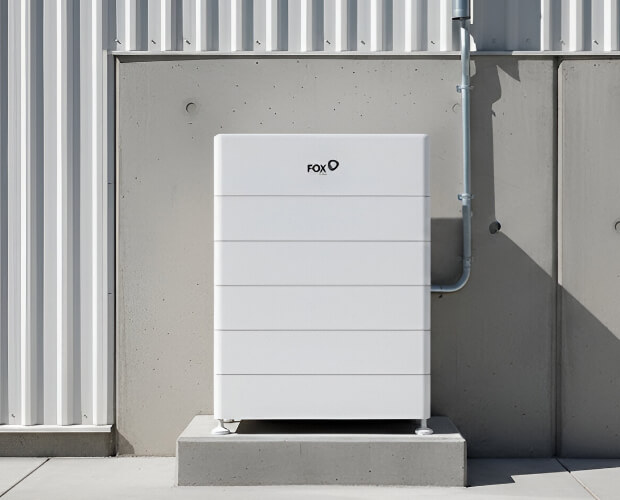
Store your excess solar energy, cut peak rates, and protect your home from outages.
Get a free quote tailored to your location
100% Free Quote. No Obligation.
We respect your privacy.

Enter your postcode to see available offers in your area.



NSW Home Energy Saver Loan Program
Available from 17 June 2026