How to Know If Your Solar System Is Underperforming
Is your solar system underperforming? Learn the common signs to watch for, from lower energy production to unexpected electricity bills.

Join Australia’s solar and battery revolution. Get A Free Quote
.webp)
January 16, 2026
 Share
Share


As electricity costs continue to climb and more homeowners look to sustainable alternatives, one question keeps coming up: Can solar really power an entire home? The short answer is yes, but how effective this depends on your system size, household energy use, and whether you pair it with battery storage.
In this guide, we break down how solar power works for full home energy use in Australia what’s possible today, what you should consider before switching, and how to maximise your solar investment for the long term.
At its core, a solar system converts sunlight into usable electricity through solar panels mounted on your roof. During daylight hours, panels produce power that your home can use immediately.
Here’s the basic flow:
Without storage, excess energy is exported to the grid in exchange for a fee-in tariff. With a battery, you keep more of your energy for your own consumption, especially when the sun isn’t shining.
Yes, but it depends on a few key factors:
1. Your Daily Energy Usage
Homes with high electricity use (air conditioning, electric vehicles, pool pumps) will take more power and may need a larger system to fully cover demand.
2. Solar System Size
Bigger solar systems (7 kW–12 kW) generate more energy over the course of the day. For many households, a system in this range can meet total daytime demand and contribute significantly at night with a battery.
3. Battery Storage
Without a battery, solar will only power the home while the sun is up. Adding a high-quality battery lets you use stored solar energy at night or during peak usage times.
4. Local Climate and Roof Orientation
Homes in sunny states like Queensland, NSW, or South Australia get more peak sunlight hours, meaning more solar generation potential.
Adding a solar battery changes the whole equation:
In many Australian homes, a solar + battery combo can power essential circuits overnight and reduce energy bills by 40–70% over time.
Solar can power an entire household, but expectations should be aligned with lifestyle and system design:
efficiency, and behavioural habits (e.g., running appliances during the day)
For example:
There’s no one-size-fits-all answer, but a good rule of thumb:
| Household Size | Estimated Solar System | Battery Size |
|---|---|---|
| 1 – 2 people | 4 – 6 kW | 6 – 10 kWh |
| 3 – 4 people | 6 – 10 kW | 10 – 15 kWh |
| 5+ people / high use | 8 – 12 kW | 15 – 20 kWh+ |
These are general guidelines – a tailored energy assessment will give the most accurate recommendation for your home.
Yes, but with a slightly reduced output. Solar panels still work well in winter, especially in sunny states like WA and SA, though they generate less peak energy compared to summer.
That’s where sizing and storage play a key role.
One of the biggest benefits of powering your home with solar energy is long-term savings. While the upfront cost exists, solar + battery systems:
Over time, most homeowners see a strong return on their energy investment.
For most Australian households, solar power especially when combined with storage is a practical, future-focused energy solution. It provides:
It isn’t just possible; it’s becoming the norm for savvy energy users.

Solar energy isn’t just for sunny days with a well-sized system and battery storage; it can significantly power an entire home throughout the year. Whether your goal is bill reduction, backup power, or energy independence, solar delivers a strong and sustainable solution for modern households.
Yes. With a properly sized solar system and the right battery storage, many homes can cover most or all their daily electricity needs using solar energy.
Yes. A battery isn’t mandatory, but it’s strongly recommended if you want to use solar energy at night, reduce grid reliance, and maintain power during outages.
Yes. The number varies based on energy use, roof space, and sunlight conditions, but many households use systems between 6 kW and 10 kW for strong year-round performance.
Yes. olar panels continue to generate power in winter and overcast days, though output may be lower. System design accounts for these seasonal changes.
Yes. Larger systems and batteries can be designed to support air conditioning, electric vehicles, and other high-demand appliances.
Reach Out to SunSelect at 1300 867 353 for Expert Guidance and Money-Saving Options. Explore the Reviews from Our Delighted Customers on ProductReview.com.au.
Make the smart move to energy independence with our solar batteries
Ask Our Battery Expert

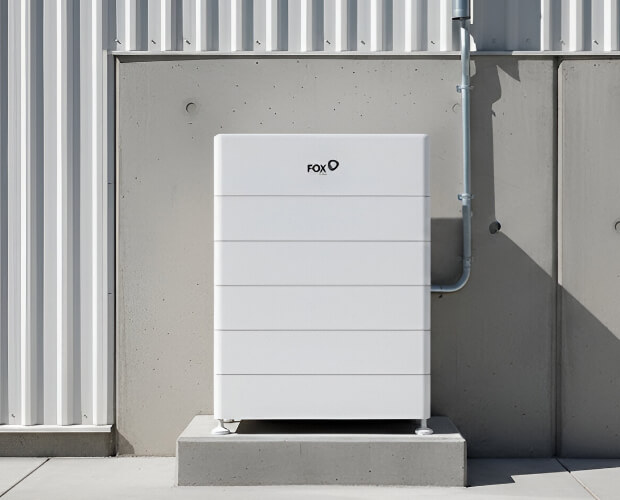
Store your excess solar energy, cut peak rates, and protect your home from outages.
Get a free quote tailored to your location
100% Free Quote. No Obligation.
We respect your privacy.

Enter your postcode to see available offers in your area.



NSW Home Energy Saver Loan Program
Available from 17 June 2026