How to Know If Your Solar System Is Underperforming
Is your solar system underperforming? Learn the common signs to watch for, from lower energy production to unexpected electricity bills.

Join Australia’s solar and battery revolution. Get A Free Quote

Solar Battery Power & Savings

Unlock Available Incentives Today

Australia-wide installation & support
March 17, 2024
 Share
Share


In the land down under, where the sun reigns supreme, a powerful source of energy lies untapped, waiting to be harnessed for the benefit of all. Australia's abundant sunlight and vast landscapes offer an unparalleled opportunity to unlock the potential of solar energy. As the world grapples with the urgent need to transition towards renewable energy sources, Australia stands at the forefront of this green revolution.
Welcome to our comprehensive guide on harnessing solar power in Australia. In this blog, we embark on a journey to explore the boundless possibilities that solar energy holds for our nation. From bustling cities to remote outback communities, solar power has the capacity to revolutionize how we generate and consume electricity.
Throughout this guide, we will delve into the fundamentals of solar energy, uncovering its importance and potential in the Australian context. We will navigate through the intricacies of solar power systems, offering practical advice on installation, maintenance, and optimization. Moreover, we will shed light on the financial incentives, environmental benefits, and prospects of solar energy in Australia.
Solar energy, the radiant light and heat from the sun, is a formidable force that holds immense potential as a renewable energy source. At its core, the process of harnessing solar energy involves converting sunlight into usable electricity or heat through various technologies. Let's delve into the fundamentals of how solar energy works and explore the different technologies involved.
PV technology, commonly known as solar panels, directly converts sunlight into electricity using semiconductor materials such as silicon. When sunlight strikes the surface of a solar panel, it excites electrons in the semiconductor, creating an electric current. This direct conversion of sunlight into electricity is a clean and efficient way to generate power.
Solar energy offers numerous benefits, both environmental and economic. Firstly, it's renewable and sustainable, unlike finite fossil fuels, reducing reliance on non-renewable sources and mitigating climate change. Secondly, solar energy production is clean and emission-free, significantly reducing greenhouse gas emissions and improving air quality. Thirdly, it provides energy independence, allowing individuals and communities to generate electricity on-site and stabilize energy costs. Finally, the solar industry stimulates job creation and economic growth through various activities, presenting opportunities for innovation and investment in Australia's economy.
Australia boasts some of the highest solar irradiance levels in the world, making it an ideal location for harnessing solar energy. With its vast landmass and abundant sunshine, Australia possesses immense potential for solar energy generation. Let's delve into an overview of Australia's solar resources and explore how they vary across different regions.
Australia's solar resources are characterized by high levels of solar irradiance, which refers to the amount of sunlight that reaches the Earth's surface. Solar irradiance levels in Australia are particularly high in regions such as the Northern Territory, Queensland, Western Australia, and South Australia. These areas receive abundant sunlight throughout the year, making them prime locations for solar energy generation.
The vast potential for solar energy generation in Australia is underscored by the country's ambitious renewable energy targets and favourable policy environment. With advancements in solar technology and decreasing costs of solar panels, the feasibility of large-scale solar projects has increased significantly in recent years.
While Australia enjoys abundant sunshine, the distribution of solar resources varies across different regions due to factors such as latitude, climate, and topography. Here's a comparison of solar resources across key regions:
Solar power systems come in various configurations, each offering unique advantages and considerations based on individual needs and circumstances. Let's explore the three main types of solar power systems: grid-tied, off-grid, and hybrid, along with their respective pros and cons.
Maximizing solar energy efficiency is crucial for getting the most out of your solar panels. Keep them clean and free from debris to optimize sunlight absorption and ensure they're properly oriented towards the sun. Minimize shading from nearby objects, monitor system performance for timely maintenance, and consider integrating battery storage for excess energy. These steps, along with regular professional maintenance checks and staying informed about solar technology advancements, ensure optimal performance and longevity of your solar power system, maximizing your energy savings and environmental impact.
Installing solar panels in Australia not only offers environmental benefits but also provides financial incentives and rebates to help offset the initial investment. Here's an overview of the government incentives and rebates available, along with explanations of feed-in tariffs and net metering.
Solar panel systems offer a profound environmental benefit by significantly reducing greenhouse gas emissions and improving air quality. Unlike fossil fuel-based energy sources, solar energy generation produces minimal to zero greenhouse gas emissions during operation, mitigating climate change and reducing our carbon footprint. By harnessing sunlight, solar panel systems help conserve natural resources and protect ecosystems, offering a cleaner and more sustainable alternative to traditional energy sources.
In conclusion, solar energy emerges as a beacon of hope for Australia's energy future, offering a plethora of benefits for individuals, communities, and the environment. With abundant sunlight and vast expanses of land, Australia possesses immense potential to harness solar power and transition towards a cleaner, more sustainable energy landscape. From reducing greenhouse gas emissions and improving air quality to fostering energy independence and creating jobs, the benefits of solar energy are undeniable.
As we navigate the challenges of climate change and strive for a more sustainable future, I encourage readers to consider harnessing the power of the sun for their own homes or businesses. By embracing solar energy, we can reduce our reliance on fossil fuels, lower electricity bills, and contribute to a healthier planet for generations to come. Together, let's seize the opportunity to harness the boundless energy of the sun and pave the way towards a brighter, cleaner future for Australia and beyond.
Reach Out to SunSelect at 1300 867 353 for Expert Guidance and Money-Saving Options
Explore the Reviews from Our Delighted Customers on ProductReview.com.au
Reach Out to SunSelect at 1300 867 353 for Expert Guidance and Money-Saving Options. Explore the Reviews from Our Delighted Customers on ProductReview.com.au.
Make the smart move to energy independence with our solar batteries
Ask Our Battery Expert

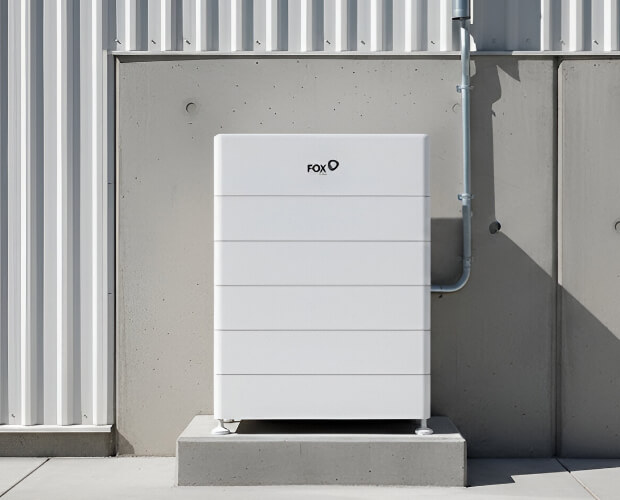
Store your excess solar energy, cut peak rates, and protect your home from outages.
Get a free quote tailored to your location
100% Free Quote. No Obligation.
We respect your privacy.

Enter your postcode to see available offers in your area.



Home Energy Saver Loan Program
Available from 17 June 2026