How to Know If Your Solar System Is Underperforming
Is your solar system underperforming? Learn the common signs to watch for, from lower energy production to unexpected electricity bills.

Join Australia’s solar and battery revolution. Get A Free Quote
December 31, 2025
 Share
Share


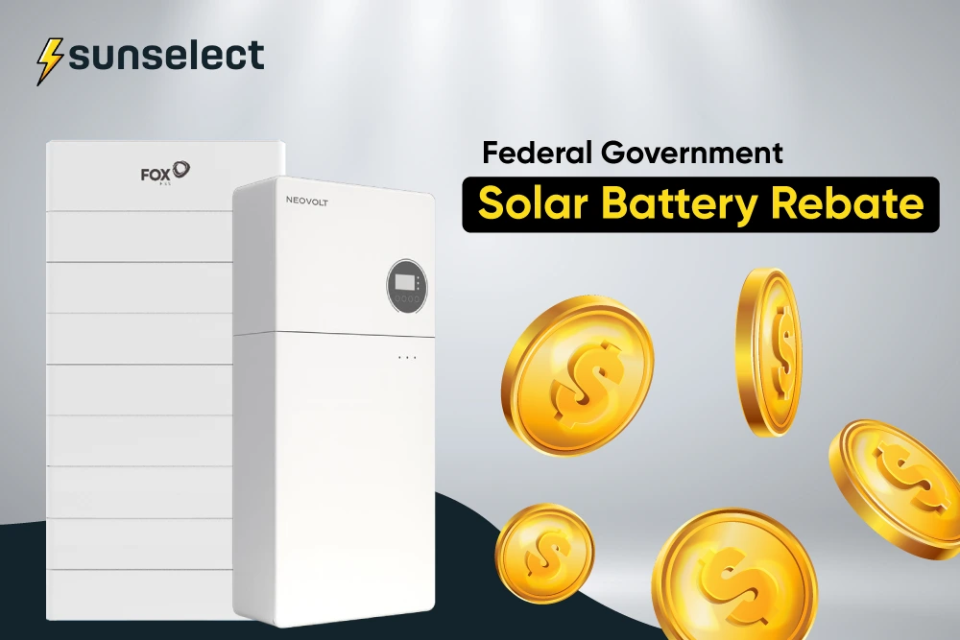
Australia’s shift toward clean, resilient home energy continues to gain momentum - and one of the biggest drivers of this growth has been government support for battery storage. But with rapidly increasing demand and thousands of homeowners lining up to install solar batteries before summer, the Federal Government has now announced a significant overhaul to the current rebate structure.
These changes are designed to stretch funding further, support more households, and encourage system sizes that match real-world energy needs. If you’re considering installing a battery, understanding these updates – and the timeframe attached – could make a major difference in how much you save.
The initial rebate program was launched with a major funding pool intended to boost battery uptake across the country. However, the popularity of home energy storage grew faster than expected. Many households used rebates to install large multi-battery systems, which consumed more of the available support – reducing the amount available to others.
To avoid the program running out of funding too early - and to ensure incentives reach more everyday homeowners - the government is restructuring how the rebate works.
1 May 2026 - when the new tiered rebate model comes into effect
After this date:
Anyone considering a medium-to-large battery system may benefit significantly by acting before this shift takes place.
The biggest update revealed is the tiered incentive model. Instead of one rebate value applying to all batteries equally, support will vary depending on usable capacity.
Below is a simplified breakdown of how support will be applied once the new rules begin:
| Battery Size (Usable Capacity) | Rebate Level Under New Structure |
|---|---|
| 0 – 14 kWh | 100% of available support |
| 14 – 28 kWh | Approx. 60% of support |
| 28 – 50 kWh | Approx. 15% of support |
If your home typically only needs a single battery in the 10 - 14 kWh range, you’re still likely to receive the strongest rebate. Larger systems - such as those powering big homes, investment properties, off-grid cabins or battery-only setups - will see less benefit per unit of capacity.
Up until now, most people assumed rebates would drop once a year. With overhaul, that is no longer the case.
The rebate will now be reduced every six months.
This creates a new sense of urgency for homeowners thinking of installing eventually but not yet committed. Waiting could mean:
For those planning a late-2026 or 2027 installation, bringing the project forward may offer a better financial outcome.
Solar batteries offer significantly more value than just bill reduction. With extreme weather events increasing and energy prices rising, many households are choosing storage to:
With the rebate overhaul now confirmed, the decision isn't only whether to install a battery - it may be when that timing makes the most financial sense.
Here’s a quick comparison to help guide your thinking:
| Install Before Rebate Shift | Install After Rebate Shift |
|---|---|
| Higher rebate value | Lower rebate value |
| Better ROI / shorter payback | May take longer to recoup |
| Stronger support for large systems | Lower support if > 14 – 28 kWh |
| More installer availability | Possible booking delays |
If you’re planning a larger system or want to secure the highest level of support, installing sooner may be the smarter financial choice.

The federal battery rebate overhaul marks a major turning point - reflecting a maturing energy market and a government determined to make incentives last. For homeowners, the opportunity is still here - but timing matters more than ever.
Yes. The rebate is being updated with a tiered structure and more frequent reductions; meaning system size and installation timing will affect how much support you receive.
Yes. The updated rebate framework is set to begin from 1 May 2026, with incentive values stepping down over time.
Yes. Batteries commonly used in homes are expected to receive stronger rebate support compared to very large systems.
Yes. They will remain eligible, but the rebate amount per kilowatt-hour will be reduced as battery capacity increases.
Yes. For many homeowners, installing earlier may provide access to higher rebate levels and better long-term savings.
Reach Out to SunSelect at 1300 867 353 for Expert Guidance and Money-Saving Options. Explore the Reviews from Our Delighted Customers on ProductReview.com.au.
Make the smart move to energy independence with our solar batteries
Ask Our Battery Expert

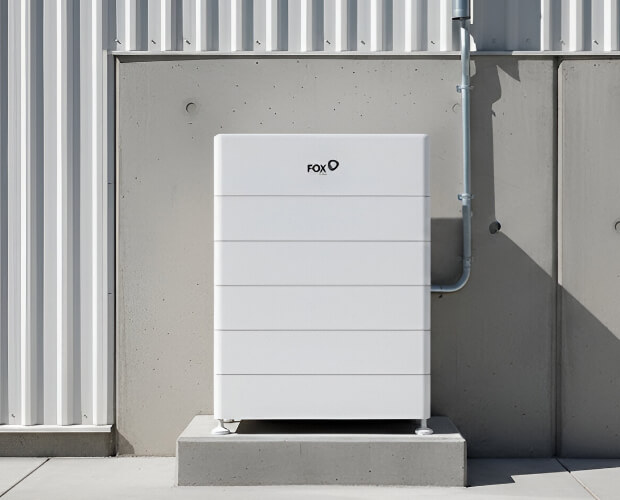
Store your excess solar energy, cut peak rates, and protect your home from outages.
Get a free quote tailored to your location
100% Free Quote. No Obligation.
We respect your privacy.

Enter your postcode to see available offers in your area.



NSW Home Energy Saver Loan Program
Available from 17 June 2026