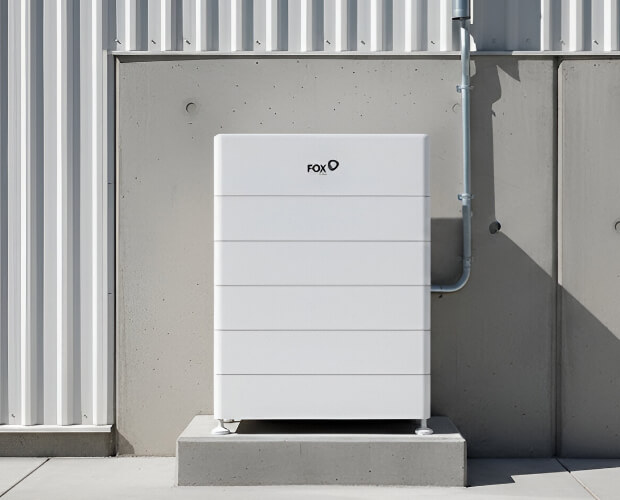
In recent years, solar energy has emerged as a leading alternative to traditional power sources, offering a sustainable and cost-effective solution for generating electricity. However, to truly maximize the benefits of a solar energy system, incorporating a solar battery is essential. Solar batteries store excess energy produced by your solar panels during the day, allowing you to use this energy when the sun isn’t shining, such as at night or during cloudy periods. This capability not only enhances the reliability of your energy supply but also optimizes the use of your solar power, potentially reducing your reliance on the grid and lowering your electricity bills.
Solar batteries also offer additional benefits, such as increased energy independence and resilience during power outages. By storing energy for times of high demand or unexpected disruptions, they ensure that you have a consistent power supply, contributing to a more reliable and stable energy system.
The Basics of Solar Batteries
What is a Solar Battery?
A solar battery is a device designed to store the excess energy generated by your solar panels. While the sun is shining, your solar panels gather light and turn it into power for your home. If your solar system produces more electricity than you use at that moment, the surplus energy is stored in the solar battery rather than being sent back to the grid. This stored energy can then be used later when the solar panels are not producing power, such as during the night or on cloudy days. By integrating a solar battery with your solar panel system, you enhance your energy independence, increase your ability to use your generated solar power more effectively, and potentially reduce your overall electricity costs.
Types of Solar Batteries
Lithium-Ion Batteries
- Benefits : Lithium-ion batteries are the most used type in modern solar energy systems. They offer several advantages, including high energy density, a longer lifespan, and greater efficiency compared to other types. These batteries can be charged and discharged more times than their counterparts, making them a durable choice for long-term use. They also have a compact design, which is beneficial for homes with limited space.
- Common Use Cases : Lithium-ion batteries are ideal for residential solar systems due to their reliability and efficiency. They are well-suited for homes that require a steady and consistent energy supply and are particularly effective in systems that integrate with smart home technologies.
Lead-Acid Batteries
- Pros : Lead-acid batteries are one of the oldest and most established types of batteries used in solar energy systems. They are generally less expensive than lithium-ion batteries and have a well-understood track record. They are available in both flooded and sealed (AGM or GEL) varieties, offering flexibility based on the specific needs of your solar system..
- Cons : Lead-acid batteries typically have a shorter lifespan and lower energy density compared to lithium-ion batteries. They require more maintenance, especially the flooded type, and can be bulkier and heavier. Additionally, their efficiency is lower, meaning they may not store and deliver energy as effectively.
Flow Batteries
- Features : Flow batteries are a type of rechargeable battery that uses two electrolyte solutions separated by a membrane. These solutions are pumped through the battery to create an electrochemical reaction that stores and releases energy. Flow batteries offer a high degree of scalability, meaning they can be expanded easily to accommodate growing energy needs. They also provide a long cycle life and maintain performance over a wide range of operating conditions.
- Potential Advantages : Flow batteries are particularly advantageous for large-scale applications or homes with high energy demands due to their ability to store large amounts of energy and their long lifespan. They are also less sensitive to temperature variations and can be an excellent choice for systems requiring frequent deep discharges.
Determining Your Energy Needs
Assess Your Consumption
Understanding your energy consumption is a crucial step in selecting the right solar battery package for your home. To ensure you choose a battery that meets your needs effectively, follow these steps to calculate your daily, monthly, and yearly energy use:
- Gather Your Electricity Bills : Start by collecting your recent electricity bills. These documents provide detailed information on your energy usage in kilowatt-hours (kWh).
Calculate Daily Usage
- Find the Total Usage : Look at the total kWh used over a billing period (usually a month).
- Divide by Days : Divide this number by the number of days in the billing period to get your average daily energy consumption.
- Example : If your monthly usage is 900 kWh, divide it by 30 days to get 30 kWh per day.
Calculate Monthly and Yearly Usage
- Monthly Usage : Multiply your average daily usage by the number of days in a month.
- Yearly Usage : Multiply your average daily usage by 365 days to get your annual consumption.
- Example : For a daily consumption of 30 kWh, your monthly usage would be 900 kWh, and your yearly usage would be 10,950 kWh.
- Consider Peak and Off-Peak Usage : If your energy usage varies significantly throughout the day (e.g., higher in the evening), consider how your solar battery will need to accommodate these fluctuations.
Future-Proofing
When selecting a solar battery, it’s important to consider not just your current energy needs but also potential future changes that could affect your energy consumption. Here’s how to account for future needs.
Anticipate Home Expansions
- Adding New Appliances : Consider any major appliances or systems you might add, such as air conditioning units or additional kitchen appliances.
- Home Renovations : If you plan to renovate or expand your home, estimate how these changes might increase your energy consumption.
Electric Vehicles (EVs):
- Charging Needs : If you’re planning to purchase an electric vehicle, calculate the additional energy required for charging. On average, an EV may require 10–20 kWh per 100 miles of driving.
- Charging Frequency : Determine how often you’ll need to charge the vehicle and adjust your energy storage needs accordingly.
Lifestyle Changes
- Family Growth : Consider potential increases in energy usage due to a growing family or additional occupants.
- Work-from-Home Arrangements : If you or others in your household work from home, your energy needs may increase due to the extended use of electronics and heating or cooling systems.
Technological Upgrades
- Smart Home Devices : Incorporate potential future usage of smart home devices, which might increase your overall energy consumption.
- Energy-Efficient Upgrades : If you plan to upgrade to more energy-efficient appliances or lighting, this could reduce your future energy needs.
Key Considerations When Selecting a Solar Battery Package
Capacity
When evaluating solar batteries, understanding capacity is crucial. Capacity is the total amount of energy a battery can hold and deliver. It’s typically measured in kilowatt-hours (kWh)
Usable Capacity vs. Total Capacity
- Total Capacity : This is the maximum amount of energy a battery can hold when fully charged. For example, a battery with a total capacity of 10 kWh can store up to 10 kWh of energy.
- Usable Capacity : This is the amount of energy you can actually use. Due to factors like battery degradation and efficiency losses, the usable capacity is often less than the total capacity. For instance, if a battery has a total capacity of 10 kWh but only 8 kWh is usable, that means only 8 kWh can be drawn for your energy needs.
Choosing a battery with sufficient usable capacity is essential to ensuring that you have enough energy to cover your needs during periods when your solar panels are not producing power.
Power Rating
Power rating indicates the maximum amount of power (measured in kilowatts, kW) that a battery can deliver at any given moment. This is important for understanding how well the battery can meet your peak power demands.
Understanding Power Output
- Peak Power Output : This measures how much power the battery can supply at once. If your home has high power requirements during certain times (e.g., running multiple appliances simultaneously), a higher power rating ensures that the battery can handle these peak loads without performance issues.
- Continuous Power Output : This measures the power the battery can deliver over an extended period. Ensure the battery’s continuous output is adequate for your typical usage patterns.
Efficiency and Round-Trip Efficiency
Efficiency is a key factor in battery performance. It reflects how well a battery stores and delivers energy.
Why Efficiency Matters
- Storage Efficiency : This refers to how much of the energy you put into the battery is actually stored. High-efficiency batteries minimize energy loss during storage.
- Round-Trip Efficiency : This measures how much of the stored energy is available for use compared to the amount initially charged. It’s calculated as the ratio of energy output to energy input. For example, a battery with a round-trip efficiency of 90% will lose 10% of the energy during the charging and discharging process.
Comparing the efficiency ratings of different batteries helps you choose one that maximizes the energy you can use and minimizes losses.
Cycle Life and Warranty
- Cycle Life : This indicates the number of charge and discharge cycles a battery can undergo before its capacity significantly degrades. A higher cycle life means the battery will last longer and provide consistent performance over time.
- Warranty : The warranty is crucial as it covers the battery’s performance and potential defects. Key aspects to consider include:
- Duration : Most solar battery warranties last between 5 to 15 years. A longer warranty often reflects higher confidence in the battery’s durability.
- Coverage : Check what the warranty covers, such as capacity degradation, performance issues, and repairs or replacements.
A battery with a longer cycle life and a comprehensive warranty will offer better long-term value and reliability.
Installation and Maintenance
Installation Requirements
- Professional Installation : Proper installation by a qualified professional ensures that your solar battery is integrated correctly with your solar panel system and adheres to safety standards. Installation costs can vary based on battery type and complexity.
- Space and Ventilation : Ensure you have adequate space for the battery and that the installation area provides proper ventilation to prevent overheating.
Ongoing Maintenance Needs
- Routine Checks : Regular maintenance checks can help identify and address potential issues early. This includes inspecting connections, monitoring performance, and ensuring the battery is operating within optimal conditions.
- Maintenance Requirements : Some batteries need more regular upkeep compared to others. Check the manufacturer’s recommendations for maintenance tasks and intervals.
Comparing Solar Battery Packages
How to Compare Models
When evaluating different solar battery models and brands, consider the following key factors to ensure you make a well-informed decision.
- Capacity and Usable Energy : Compare the total and usable capacities of various battery models. Ensure that the battery you choose can store enough energy to meet your household’s needs, particularly during periods of low solar production.
- Power Rating : Check the power rating to determine how much power the battery can supply at once. This is crucial if you have high-demand appliances or need the battery to handle peak power loads.
- Efficiency : Look at both the storage efficiency and round-trip efficiency. Higher efficiency means less energy is wasted during the charging and discharging process, which can lead to better performance and cost savings over timeLook at both the storage efficiency and round-trip efficiency. Higher efficiency means less energy is wasted during the charging and discharging process, which can lead to better performance and cost savings over time.
- Cycle Life : Examine the battery’s cycle life to understand how many charge and discharge cycles it can handle before its capacity degrades significantly. A longer cycle life typically indicates a more durable and long-lasting battery.
- Warranty : Review the warranty terms, including the duration and coverage. A comprehensive warranty offers protection against performance issues and potential defects, providing peace of mind and potentially saving on repair or replacement costs.
- Brand Reputation : Research the reputation of different brands and read customer reviews. Established brands with positive feedback are more likely to offer reliable products and good customer support.
Cost Analysis
Understanding the cost vs. benefits of solar battery packages is essential for making a financially sound decision:
- Initial Cost : Evaluate the upfront cost of the battery and installation. This can vary based on the battery’s capacity, features, and the complexity of the installation process.
- Long-Term Savings : Consider the potential savings on your electricity bills by storing and using solar energy more efficiently. Calculate how much you could save by reducing your reliance on the grid and taking advantage of your stored solar power.
- Cost vs. Features : Compare the cost of different models in relation to their features. A higher initial cost may be justified if the battery offers better efficiency, a longer lifespan, or advanced smart features that provide additional benefits.
- Example Analysis : If a battery has a higher upfront cost but offers better efficiency and a longer warranty, it might be a better investment in the long run due to reduced energy loss and fewer replacement needs.
Incentives and Rebates
Taking advantage of available incentives, rebates, and financing options can significantly reduce the overall cost of your solar battery package:
- Government Incentives : Many governments offer incentives for solar battery installations, such as tax credits or grants. These programmes can lower the initial cost and improve the return on investment. Check with local and federal government websites or consult with a solar energy advisor for details on available programmes.
- Rebates : Some states or regions provide rebates for installing solar batteries. These rebates can be applied directly to the cost of the battery or installation, reducing your out-of-pocket expenses.
- Financing Options : Explore financing options that allow you to pay for your solar battery package over time. Many solar companies offer financing plans with favorable terms, including low- or zero-interest loans, which can make the investment more manageable.
- Example Resources : Programmes like the Australian Government’s Solar Battery Rebate Scheme or the Clean Energy Finance Corporation (CEFC) can offer valuable financial support for solar battery purchases.
Conclusion
Choosing the right solar battery package for your home involves a thoughtful assessment of your energy needs, battery types, and key features to ensure a well-informed decision. By understanding your daily consumption, considering future needs, and comparing different models based on capacity, efficiency, and warranty, you can select a solution that maximizes your energy savings and enhances your home’s energy independence. Additionally, leveraging available incentives and rebates can make this investment more affordable and economically viable.
At Sunselect, we are dedicated to helping you navigate the complexities of solar energy and battery storage. Our team of experts is committed to providing personalized advice, reliable installations, and ongoing support to ensure you achieve the best results for your home. Whether you’re considering a new solar battery or looking to optimize your existing system, Sunselect is here to assist you every step of the way. Contact us today to explore how we can enhance your solar energy experience and help you make the most of your investment.
Reach Out to SunSelect at 1300 867 353 for Expert Guidance and Money-Saving Options. Explore the Reviews from Our Delighted Customers on ProductReview.com.au.


 Share
Share