How to Know If Your Solar System Is Underperforming
Is your solar system underperforming? Learn the common signs to watch for, from lower energy production to unexpected electricity bills.

Join Australia’s solar and battery revolution. Get A Free Quote

Solar Battery Power & Savings

Unlock Available Incentives Today

Australia-wide installation & support
March 12, 2026
 Share
Share


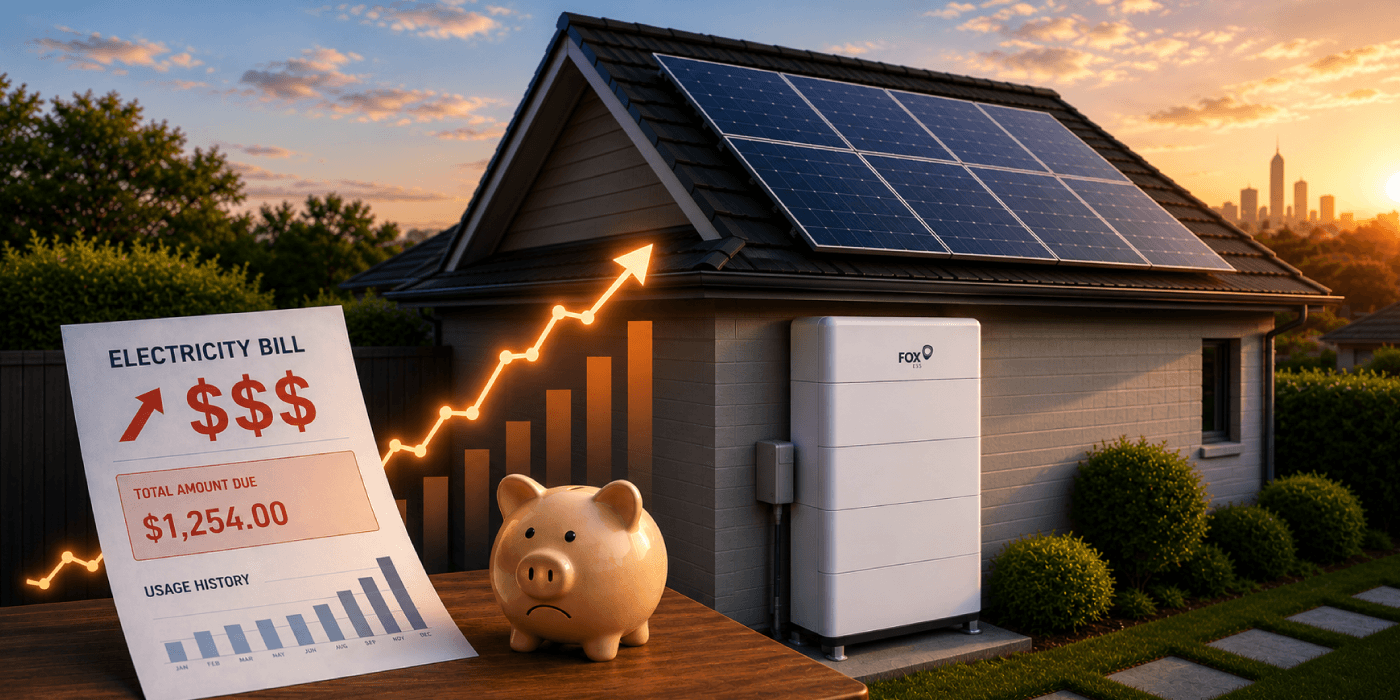
Australian households are facing increasing electricity costs year after year. From higher energy demand to changing grid pricing, homeowners are looking for smarter ways to manage their energy usage and monthly expenses. While solar panels already help reduce daytime electricity costs, many homes are now turning to solar battery storage for greater savings and energy control.
But is solar storage really the solution to rising electricity bills?
The answer for many households is yes.
Several factors are contributing to rising energy prices across Australia:
These rising costs are making homeowners rethink how they generate and use electricity.
Solar battery storage allows homeowners to store excess solar energy generated during the day instead of sending it back to the grid.
That stored energy can then be used:
This helps maximize the value of your solar system.
1. Use More of Your Own Energy
Instead of buying electricity from the grid at night, you use the power stored in your battery.
2. Reduce Peak-Hour Costs
Electricity prices are usually higher during evening hours. Solar batteries help avoid these expensive periods.
3. Less Grid Dependence
The less energy you buy from the grid, the lower your electricity bills become.
4. Better Long-Term Savings
Over time, solar batteries help improve the return on your solar investment.
| Feature | Solar Panels Only | Solar + Battery |
|---|---|---|
| Daytime Savings | Yes | Yes |
| Night-Time Energy | No | Yes |
| Backup During Outages | No | Yes |
| Grid Dependence | Moderate | Low |
| Energy Control | Limited | High |
| Long-Term Savings | Good | Better |
For many Australian homeowners, solar storage is becoming more than just an upgrade it’s becoming a practical solution for rising energy costs.
It is especially useful for homes that:

Rising electricity prices are unlikely to slow down anytime soon. Solar battery storage gives homeowners more control, better savings, and reliable access to energy when it matters most.
For modern Australian homes, smarter energy storage could be the key to lower bills and a more energy-efficient future.
Store daytime solar energy to reduce expensive evening electricity usage and improve savings.
Higher energy demand, grid costs, and peak pricing are increasing electricity prices.
It stores unused solar energy for later use during evenings or outages.
Yes, they reduce reliance on expensive grid electricity.
They are ideal for homes wanting savings and energy independence.
Yes, it improves energy efficiency and long-term savings.
Reach Out to SunSelect at 1300 867 353 for Expert Guidance and Money-Saving Options. Explore the Reviews from Our Delighted Customers on ProductReview.com.au.
Make the smart move to energy independence with our solar batteries
Ask Our Battery Expert

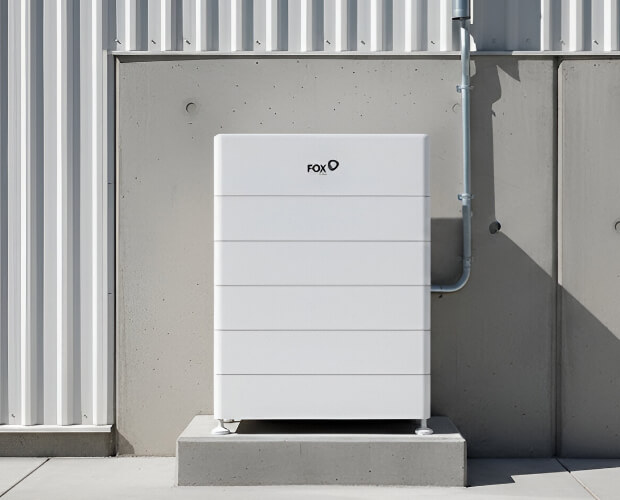
Store your excess solar energy, cut peak rates, and protect your home from outages.
Get a free quote tailored to your location
100% Free Quote. No Obligation.
We respect your privacy.

Enter your postcode to see available offers in your area.



Home Energy Saver Loan Program
Available from 17 June 2026