How to Know If Your Solar System Is Underperforming
Is your solar system underperforming? Learn the common signs to watch for, from lower energy production to unexpected electricity bills.

Join Australia’s solar and battery revolution. Get A Free Quote

Solar Battery Power & Savings

Unlock Available Incentives Today

Australia-wide installation & support
February 28, 2025
 Share
Share


Welcome to Sunselect! As a trusted leader in the solar energy industry, we believe in empowering our customers with the knowledge they need to make informed decisions about their solar energy systems. Navigating the technical terminology can be daunting, but understanding these terms is crucial for making the most of your investment. This guide explains common solar terms and their meanings, providing clarity and confidence as you explore solar energy options with Sunselect.
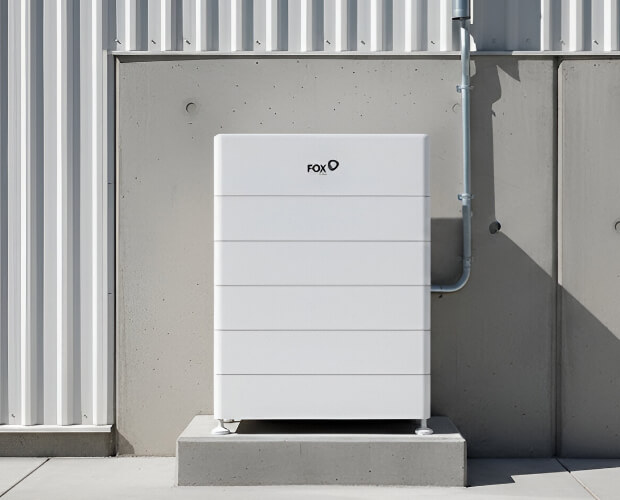
At Sunselect, we offer batteries or energy storage systems that store excess energy generated by your PV solar panels during the day and release it during peak demand periods, such as at night. These systems are essential for grid-tied solar panel systems, allowing you to use solar energy during power outages and at night. Our solutions ensure a continuous power supply and increase your energy independence.
Sunselect have partnered with premier brands like Tesla, Growatt, Apha ESS, Readback, Sonnen - to give our customers a quality and uninterrupted hassle-free service experience.
A battery backup system from Sunselect provides power during outages or when the grid is down. It can be charged by your solar panels during the day and supply power when needed. This system is particularly useful for critical loads like refrigerators, medical equipment, and overnight EV charging, effectively ensuring uninterrupted power supply for your peace of mind.
Capacity refers to the amount of electricity a battery can store, typically measured in kilowatt-hours (kWh). It’s a crucial factor in selecting a battery storage system, as it determines how long your home or business can run on stored energy. Higher capacity batteries provide longer backup times, making them suitable for larger homes or businesses with higher energy demands.
At Sunselect we provide the range of capacities from 2.5kW to 15kW (expandable in steps of 2.5kWh), Brands we work with are Tesla, Growatt, Alpha ESS.
Depth of discharge indicates the percentage of a battery’s capacity that has been used. For example, if a 10-kWh Growatt battery is discharged by 5 kWh, its DoD is 50%. Managing DoD is important for extending battery life, as deeper discharges can reduce the lifespan of the battery.
Energy/Utility Grid
The energy or utility grid is the network of power lines, transformers, and equipment that delivers electricity from power plants to homes and businesses. Solar systems connected to the grid can feed excess power back to it, benefiting from net metering and providing an additional energy source for the grid.
Exposure
Exposure refers to the amount of sunlight a solar panel or system receives. Greater exposure results in more power generation. Factors affecting exposure include geographic location, tilt angle, shading and panel orientation. Optimal exposure is critical for maximizing energy production.
Ground Mount
A ground mount is a type of solar panel installation where panels are mounted on the ground, often in a field or open space. Suitable for larger commercial installations or residential properties with ample land, ground mounts offer flexibility in panel orientation and easy maintenance.
Inverter
An inverter converts the DC electricity generated by solar panels into AC electricity used by homes and businesses. Types include string inverters, microinverters, and power optimizers. Inverters are critical for integrating solar energy into your home’s electrical system and ensuring the power is usable. At Sunselect we offer an efficient inverters range and premier manufacturers i.e. Fronius, Growatt, Solis, Sungrow, Goodwe to offer our customers a seamless experience.
Kilowatt Hour (kWh)
A kilowatt hour (kWh) measures electricity consumption or production over time. It’s the amount of energy produced or consumed in one hour by a system. Understanding kWh is essential for evaluating energy usage, solar system output, and calculating potential savings.
Microinverter
A microinverter is installed on each solar panel to convert DC electricity to AC. It’s suitable for smaller systems and improves efficiency, especially in shaded conditions. Microinverters also allow for individual panel monitoring, making it easier to detect and address performance issues.
Monitoring
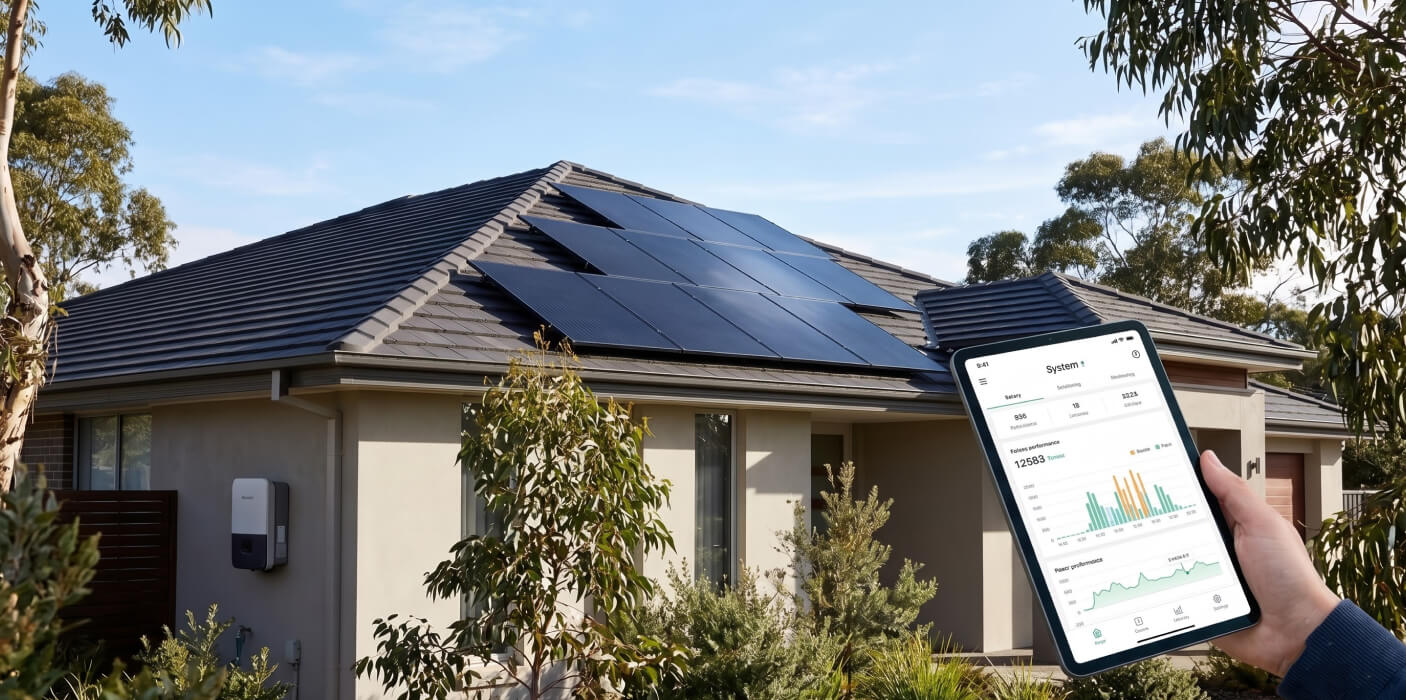
Monitoring involves tracking a solar panel system’s performance over time, helping to optimize efficiency, identify issues and ensure maximum output. Advanced monitoring systems provide real-time data on energy production, consumption and system health, enhancing maintenance and troubleshooting.
Mounting Hardware
Mounting hardware secures solar panels to a structure, including rails, clamps and brackets. It must be carefully selected to withstand the weight and forces of the panels and ensure durability. Proper mounting hardware is essential for the safety and longevity of the solar installation.
Optimizer
An optimizer maximizes the output of each solar panel, ensuring efficiency even if some panels are shaded. It’s often used with string inverters and microinverters, enhancing overall system performance. Optimizers help maintain consistent energy production despite varying conditions across the array.
Net Metering
Net metering credits solar panel system owners for excess electricity fed back into the grid, offsetting the cost of grid electricity when the system isn’t producing enough energy. It provides financial benefits and encourages the adoption of renewable energy by making solar installations more cost-effective.
Off Grid
An off-grid system isn’t connected to the utility grid and typically requires battery storage for excess energy, making it self-sufficient. Off-grid systems are ideal for remote locations where grid access is unavailable or for those seeking complete energy independence.
Payback Period
The payback period is the time it takes for a solar panel system to recoup its cost through energy savings, calculated by dividing the upfront cost by annual savings. A shorter payback period indicates a quicker return on investment, making the system financially attractive.
Penetrations
Penetrations are holes made in a roof for solar panel mounts. Minimizing penetration reduces the risk of leaks, with special flashings used to create water-tight seals. Proper installation techniques ensure the integrity of the roof and prevent potential damage.
Photovoltaic (PV)
Photovoltaic (PV) technology converts sunlight into electricity. At Sunselect we always believe in keeping ourselves updated with the growing technologies, so we use PV panels which are made of solar cells that generate an electrical charge when exposed to sunlight. The efficiency and quality of PV panels are critical for determining the overall performance of a solar energy system.
Price per Watt (PPW)
Price per Watt (PPW) measures the cost of a solar energy system, calculated by dividing the total cost by its power output in watts. It helps compare system costs, but quality, warranties and customer service are also important factors. Lower PPW indicates a more cost-effective system.
Product/Equipment Warranty
A product or equipment warranty guarantees that system components are free from defects and will function properly for a specified period, usually 10 to 25 years for solar panels. It provides assurance of quality and reliability, protecting the investment.
Performance Warranty
A performance warranty guarantees that a system will produce a certain amount of energy over time, often 25 to 30 years, ensuring 85% to 90% of original production. This warranty is crucial for long-term financial planning and system reliability.
Roof Mount
A roof mount involves installing solar panels on a building’s roof, a common choice for residential installations. It utilizes existing space efficiently and is often more aesthetically pleasing. Proper installation and maintenance are key to maximizing roof mount system performance.
Solar Analysis
A solar analysis assesses a site’s potential for solar energy generation, considering sunlight, shading and the sun’s angle. It helps determine panel size, orientation and expected output. A thorough analysis is essential for designing an efficient and cost-effective solar system.
Solar Array
A solar array is a collection of solar modules connected to generate electricity. Arrays can be installed on roofs, the ground, canopies, carports or even water. Properly designed arrays maximize energy production and suit various installation environments.
Solar Canopy
A solar canopy is a structure with solar panels as the roof, built over open areas like patios or parking lots, providing shade and generating electricity. Solar canopies offer dual functionality by utilizing otherwise unused spaces for energy production.
Solar Carport
A solar carport is like a solar canopy but specifically built over parking areas, offering covered parking while generating power. Solar carports are ideal for maximizing space usage in commercial and residential settings.
Solar Design
Solar design involves planning a solar energy system, including site assessment and specifying panel type, size, mounting hardware, inverters and expected output. Good design ensures optimal performance and financial returns, tailored to the specific site conditions.
Solar Installer
A solar installer designs and installs solar energy systems, assesses sites and provides maintenance and support services. Choosing a reputable installer is crucial for ensuring system reliability, efficiency and adherence to local regulations.
At Sunselect we work with Certified Installers to prevent any kind of errors during the installation of our Solar system.
Solar Panel
A solar panel converts sunlight into electrical energy using solar cells. It’s a key component for generating clean, renewable energy and reducing energy bills. Advances in technology have made solar panels more efficient and affordable. Sunselect has partnered with premier Solar panel manufacturers like Jinko, Trina, Seraphim, Longi etc. We always believe in keep working with updated technologies, so we use Solar panels with industry standard i.e. LONGI 440W Solar panels, Saraphim Solar panels, Trina Solar panels, Jinko Solar panels.
Solar Panel Degradation
Solar panel degradation is the gradual efficiency reduction over time due to exposure to sunlight and weather. Modern panels degrade slowly and often come with long warranties. Understanding degradation rates is important for long-term energy production estimates.
Solar Panel Efficiency
Efficiency measures how much sunlight a panel converts into electricity, expressed as a percentage. Higher efficiency means more electricity production. Efficiency improvements continue to lower the cost and space requirements for solar energy systems.
Solar Railing
Solar railing secures panels to roofs, made of durable materials like aluminum or stainless steel, reducing roof damage and aiding installation and maintenance. Properly installed railings ensure system stability and longevity.
Watt, Kilowatt, Megawatt, Gigawatt
Watt (W) measures power output. Kilowatt (kW) equals 1,000 watts, common for residential systems. Megawatt (MW) equals 1,000 kilowatts, used for commercial projects. Gigawatt (GW) equals 1,000 megawatts, for large-scale systems. Understanding these units helps in evaluating and comparing solar systems of different scales.
Understanding common solar terms is essential for navigating the solar energy landscape. Whether you are a homeowner, business owner, or professional in the field, this knowledge empowers you to make informed decisions, optimize your system and contribute to a sustainable future. At Sunselect, we are committed to helping you harness the power of the sun with confidence and ease. With continuous advancements in technology and increasing affordability, solar energy is becoming a viable option for more people, driving the global shift towards renewable energy. Choose Sunselect as your partner in creating a brighter and greener future.
Reach Out to SunSelect at 1300 867 353 for Expert Guidance and Money-Saving Options. Explore the Reviews from Our Delighted Customers on ProductReview.com.au.
Make the smart move to energy independence with our solar batteries
Ask Our Battery Expert

Store your excess solar energy, cut peak rates, and protect your home from outages.
Get a free quote tailored to your location
100% Free Quote. No Obligation.
We respect your privacy.

Enter your postcode to see available offers in your area.



Home Energy Saver Loan Program
Available from 17 June 2026