How to Know If Your Solar System Is Underperforming
Is your solar system underperforming? Learn the common signs to watch for, from lower energy production to unexpected electricity bills.

Join Australia’s solar and battery revolution. Get A Free Quote
October 11, 2024
 Share
Share


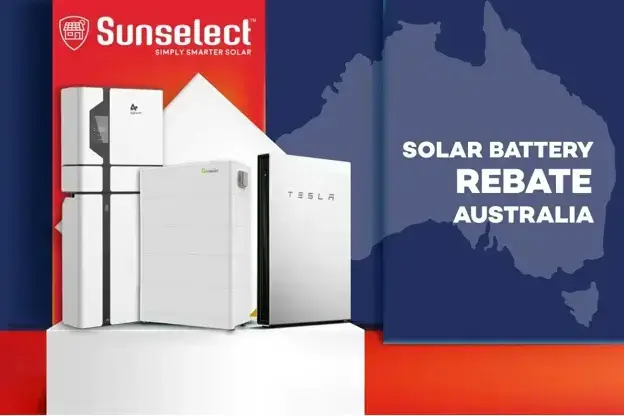
Australia is undergoing a major transformation in the way it generates and consumes energy, and at the heart of this shift is the rise of renewable energy technologies. Solar panels have become a familiar sight on rooftops across the country, but the next step in this green revolution is the adoption of home battery storage systems. Battery rebates are playing a crucial role in accelerating this trend, offering Australian households not only financial incentives but also greater energy independence and sustainability.
As solar energy systems proliferate, more and more households are generating their own electricity during the day. However, one of the challenges with solar power is its dependency on sunlight, which means that energy production is at its peak when many people are at work or school. Home battery storage systems solve this problem by storing excess solar energy produced during the day for use at night or during peak hours, providing a consistent and reliable energy source.
Queensland
Here’s what’s on offer in the appropriately named sunshine state.
New South Wales
In New South Wales, there’s a bit going on with incentives :
ACT
Residents of Canberra also have several options.
Victoria
Victorians are a fortunate bunch – a veritable smorgasbord of support is on offer to go solar and electrify.
South Australia
South Australia is a solar energy powerhouse, with the uptake of small-scale solar energy systems supported by the following programs.
Western Australia
Here’s what’s currently available in Western Australia:
Battery rebates are not just about financial savings, they provide multiple benefits that empower households in various ways:
1. Cost Reduction
Battery systems, particularly those that pair with solar installations, can be expensive. Battery rebates, offered by state governments like Victoria, South Australia, and New South Wales, reduce the upfront costs, making it easier for households to invest in these technologies. By lowering financial barriers, more families can afford to switch to renewable energy, leading to long-term savings on energy bills.
2. Energy Independence
With a battery system, households can store excess energy generated by their solar panels and use it during peak times or when the sun isn’t shining. This reduces reliance on the grid and allows households to become more energy independent. In some cases, households can even sell excess energy back to the grid, creating a new source of income.
3. Increased Resilience and Security
Battery storage improves energy security by providing backup power during outages. In regions prone to extreme weather events, having a home battery can be crucial, offering a reliable power source when the grid is compromised.
4. Support for a Sustainable Future
By incentivizing battery adoption, rebates encourage more households to participate in Australia’s transition to a low-carbon economy. This helps reduce the nation's carbon footprint and supports broader climate goals. Empowering individuals to take action at the household level builds momentum for a cleaner energy future.
5. Stimulating the Economy and Job Creation
The increased demand for battery systems also boosts local industries and job creation in the renewable energy sector. By investing in battery technology, Australian households indirectly support new economic opportunities, particularly in installation, maintenance, and energy management services.
6. Integration with Smart Technology
Battery systems, often integrated with smart home energy management systems, give homeowners control over their energy use. The rebates make such advanced systems more affordable, enabling users to monitor, optimize, and manage their energy usage efficiently through apps and smart devices.
Overall, battery rebates are a vital tool in Australia's clean energy strategy, providing households with the resources and incentives needed to transition to renewable energy, save money, and contribute to a more resilient and sustainable energy system.
While battery rebates provide substantial benefits, there are a few challenges and considerations for homeowners:
Upfront Costs
Even with rebates, the initial investment for battery systems can be significant. However, the long-term savings and the potential increase in property value often offset these costs over time.
Battery Lifespan and Maintenance
Like any technology, batteries have a lifespan and may require maintenance or replacement after a certain period. It’s essential for homeowners to understand the expected longevity and warranty of the system they choose.
Eligibility Criteria
Each state’s rebate program has its own set of eligibility requirements, which may include property ownership status, existing solar panel installations, and income levels. Homeowners must carefully review these criteria to determine if they qualify for the rebate.
Battery rebates are not only a means to reduce costs but also a tool to accelerate the nation’s transition to renewable energy. As more households adopt battery storage, economies of scale will likely drive down prices further, making the technology even more accessible. In the future, Australia could see an expansion of such programs, possibly extending support to renters and apartment dwellers through shared battery solutions or community energy storage projects.
Moreover, with advancements in technology and the integration of artificial intelligence, home battery systems may become smarter, optimizing energy usage patterns and contributing even more effectively to the stability of the grid. Government policies and rebate programs will continue to play a crucial role in making these innovations accessible to all Australians.
Battery rebates are empowering Australian households by making renewable energy storage more affordable and accessible. By providing financial incentives, governments are enabling more Australians to take control of their energy consumption, reduce their carbon footprint, and contribute to a sustainable future. As the technology evolves and becomes more widespread, battery storage systems will become a cornerstone of Australia’s renewable energy landscape, offering both environmental and economic benefits to households across the country.
Reach Out to SunSelect at 1300 867 353 for Expert Guidance and Money-Saving Options
Explore the Reviews from Our Delighted Customers on ProductReview.com.au
Reach Out to SunSelect at 1300 867 353 for Expert Guidance and Money-Saving Options. Explore the Reviews from Our Delighted Customers on ProductReview.com.au.
Make the smart move to energy independence with our solar batteries
Ask Our Battery Expert

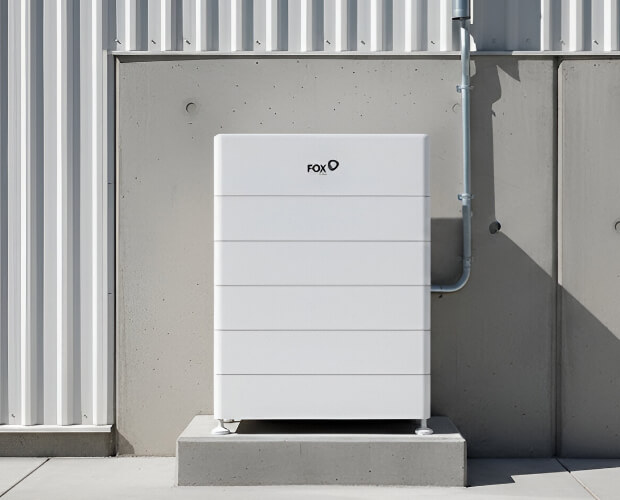
Store your excess solar energy, cut peak rates, and protect your home from outages.
Get a free quote tailored to your location
100% Free Quote. No Obligation.
We respect your privacy.

Enter your postcode to see available offers in your area.



NSW Home Energy Saver Loan Program
Available from 17 June 2026