How to Know If Your Solar System Is Underperforming
Is your solar system underperforming? Learn the common signs to watch for, from lower energy production to unexpected electricity bills.

Join Australia’s solar and battery revolution. Get A Free Quote
July 11, 2025
 Share
Share


In 2025, more Australian households are investing in solar batteries than ever before. But while most people know they can save on electricity bills, fewer understand how to make those batteries earn money. That’s where Virtual Power Plants, or VPPs, come in.
If you’ve heard the term but aren’t quite sure what it means, you’re not alone. A VPP is essentially a smarter, more connected way to use your solar battery, where you don’t just store energy for yourself but become part of something bigger. And the best part? You get rewarded for it.
A Virtual Power Plant consists of a network of distributed solar power and battery systems and may include other energy resources and controlled loads (such as electric hot water systems).
These Distributed Energy Resources (DERs) are coordinated by a central VPP operator that releases some (or all) of the batteries stored energy into the grid during periods of peak demand when wholesale electricity prices are high.
Besides selling electricity, they also make money by charging batteries when electricity prices are negative. They may also receive payments for charging or discharging batteries to help stabilize the grid’s frequency and keep it running smoothly. Providing these services can be a very lucrative game for the operator.
In a nutshell, you give up control of your battery to a third party when it becomes part of a virtual power plant. In return, you can potentially receive benefits ranging from an upfront discount on the cost of a battery, payments that are either fixed or based on battery energy discharged by the VPP, a higher solar feed-in tariff or some combination of these.
It’s important to read the small print on any VPP offer, as some can be quite sneaky about how they pay you for surplus solar energy sent to the grid. If you’re determined to retain control of your battery, the good news is there are a couple of VPPs that leave you in charge of when it’s discharged.
Imagine numerous individual homes and businesses, each equipped with solar panels and a battery. Independently, these systems primarily meet the energy demands of their specific locations. Now, picture these systems digitally interconnected and orchestrated by a central VPP operator, often an energy retailer, a network operator, or a specialist third-party aggregator. This network of ‘distributed energy resources’ (DERs), predominantly solar batteries, is then managed as a single, cohesive entity.
Instead of relying on a single, large traditional power station, a VPP cleverly harnesses the combined stored energy from many smaller, geographically dispersed systems. When the electricity grid faces stress, perhaps during a summer heatwave driving up air conditioner use, or if a large generator unexpectedly trips offline, the VPP operator can instruct the connected batteries to discharge stored energy back into the grid. This collective action helps stabilise the grid, can prevent blackouts, and significantly improves the integration of variable renewable sources like solar, effectively smoothing out the ‘duck curve’ caused by high daytime solar generation and evening demand peaks.
Governments recognise that widespread battery uptake, coordinated through VPPs, is crucial for a modern, resilient grid. Consequently, many battery incentives now encourage or mandate VPP participation or capability.
The benefits of a VPP go well beyond just earning a few extra dollars.
For starters, VPPs offer an excellent way to accelerate your battery payback period, especially in areas with time-of-use pricing. Instead of feeding excess solar into the grid at low rates, you’re supplying energy exactly when the grid needs it, at premium times, when demand (and compensation) is highest.
VPP participation also improves grid resilience, especially during extreme weather events, and helps reduce Australia’s reliance on fossil fuels.
Another key benefit in 2025 is eligibility. Several state-based rebate programs, such as those in Victoria and New South Wales, either require or give preference to batteries that are VPP-capable. So even if you’re not ready to join a VPP straight away, having a compatible system puts you in a better position for funding and future savings.
While the advantages are compelling, understanding VPP contracts and control aspects is vital before committing your battery through a program. Key points to consider include :
Virtual Power Plants represent a sophisticated evolution in how we manage energy, enabling your home battery to deliver value well beyond your own household and contribute to the wider energy system. As Australia transitions towards a more decentralised and renewable-powered grid, VPPs, strongly supported by government battery rebates and VPP initiatives are becoming integral.
When embarking on your battery journey, particularly with government incentives on the table:
Understanding the dynamic interplay between VPPs and battery programs empowers you to make a confident, informed decision, one that aligns with your financial aspirations, energy independence goals, and your commitment to fostering a cleaner, more resilient energy future for all Australians.
If you’re looking for guidance in navigating these options or wish to connect with trusted, local CEC-accredited professionals for your solar and battery installation, Sunselect provides a complimentary service to assist you.
Connecting your home energy system to a Virtual Power Plant (VPP) isn’t just a smart step towards energy independence, it’s also a new way to generate real income. By joining a VPP, you allow your excess solar energy or stored battery power to be shared with the grid during high-demand periods. In return, you earn credits or direct payments, turning your home into a revenue-generating energy hub.
With Australia’s energy landscape shifting towards decentralised, renewable models, VPPs are opening doors for homeowners to participate in and profit from the energy market like never before. Whether you're reducing your electricity bills, getting paid for battery support, or accessing exclusive grid incentives, the financial benefits are clear.
So, if you’ve already invested in solar and battery storage or are planning to, connecting to a VPP could be the missing link that transforms your system from a cost-saving solution into a consistent money-making asset. Now is the time to explore your options, compare available VPP programs, and start earning from the energy you already produce.
Reach Out to SunSelect at 1300 867 353 for Expert Guidance and Money-Saving Options. Explore the Reviews from Our Delighted Customers on ProductReview.com.au.
Make the smart move to energy independence with our solar batteries
Ask Our Battery Expert

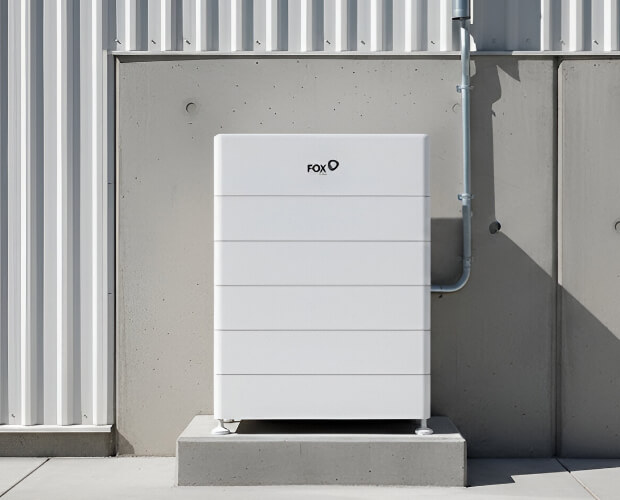
Store your excess solar energy, cut peak rates, and protect your home from outages.
Get a free quote tailored to your location
100% Free Quote. No Obligation.
We respect your privacy.

Enter your postcode to see available offers in your area.



NSW Home Energy Saver Loan Program
Available from 17 June 2026