How to Know If Your Solar System Is Underperforming
Is your solar system underperforming? Learn the common signs to watch for, from lower energy production to unexpected electricity bills.

Join Australia’s solar and battery revolution. Get A Free Quote
February 14, 2025
 Share
Share


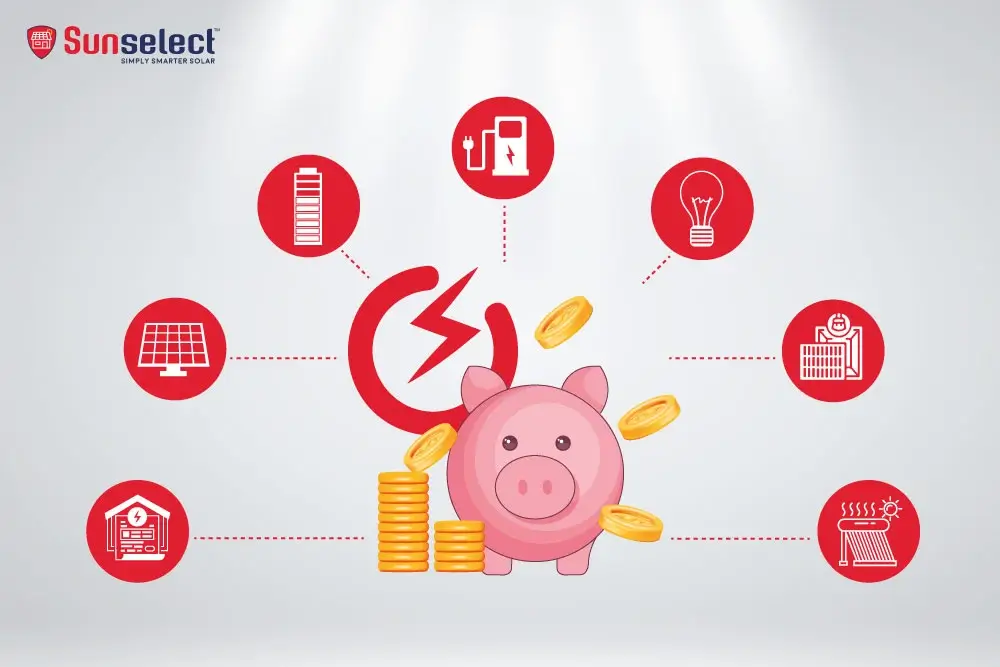
In the modern era, managing electricity consumption isn’t just about saving money, it’s a crucial step towards a sustainable future. By leveraging innovative solutions and energy-efficient technologies, homeowners can lower their utility bills while actively supporting environmental preservation. Here are seven impactful strategies to enhance your electricity usage and promote sustainability.
Conducting a home energy audit is the first step toward optimizing energy efficiency. This essential process assesses your home’s energy performance, pinpointing areas for improvement and potential savings. A thorough audit involves evaluating insulation, identifying air leaks, examining heating and cooling systems, and analyzing energy bills.
For those opting for a DIY approach, start by checking windows, doors, and electrical outlets for drafts. Assess attic and wall insulation to ensure it meets recommended standards. Additionally, monitor the energy consumption of major appliances to detect inefficiencies. Gaining insight into your home’s energy usage allows you to implement strategic upgrades that reduce electricity costs and improve overall comfort.
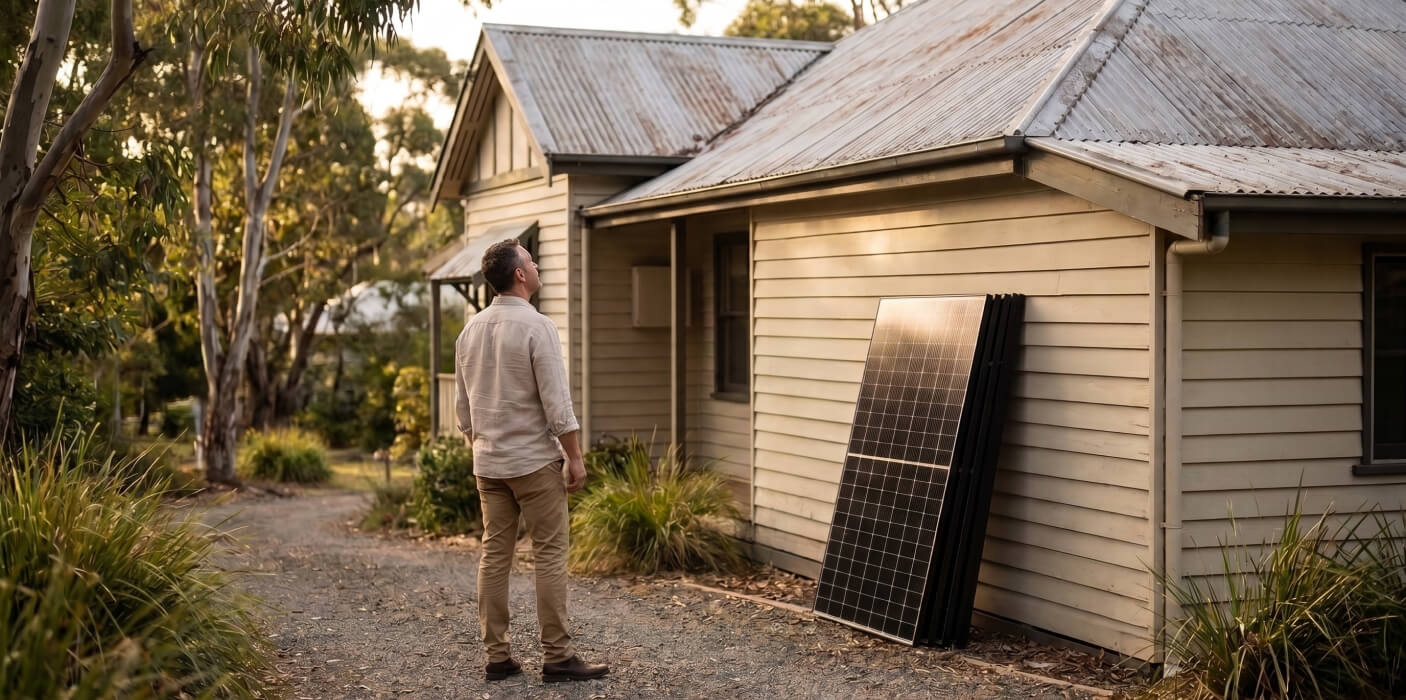
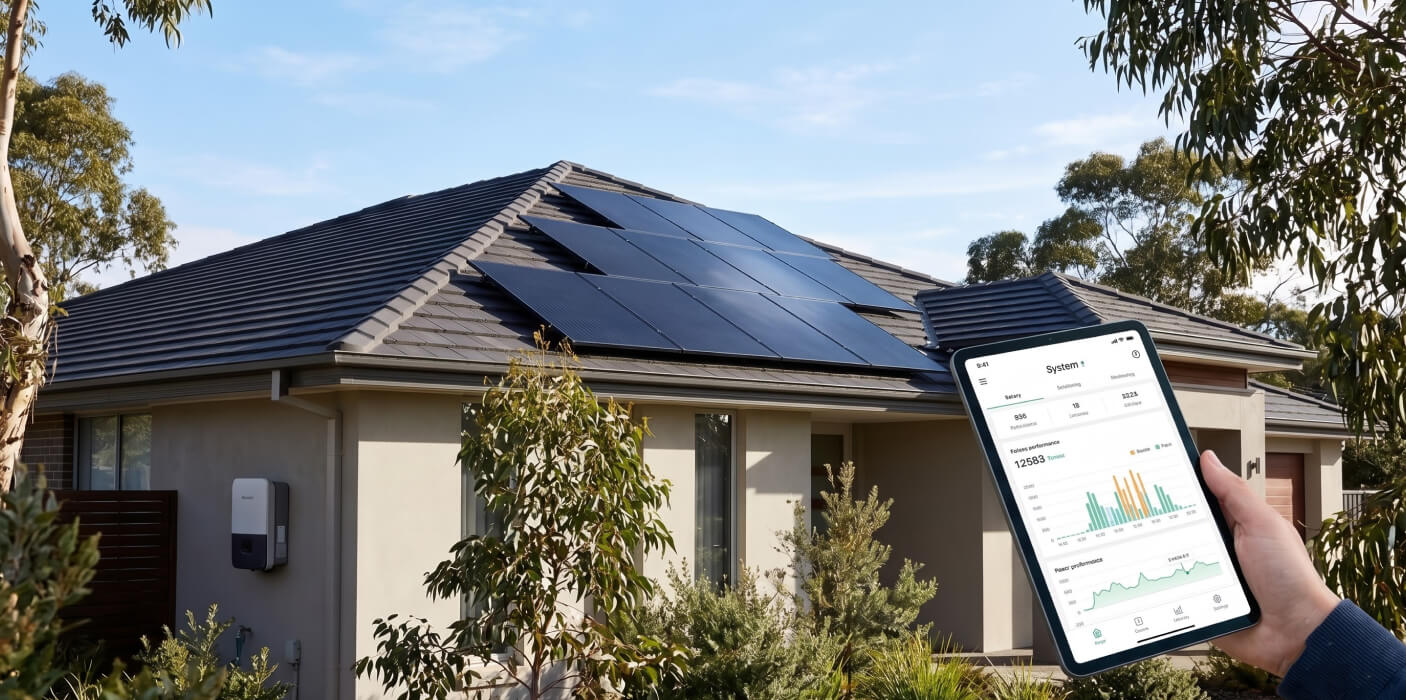
Tapping into solar energy is a transformative way to cut electricity costs. Solar panels convert sunlight into usable power, offering a renewable energy source that can cover most, if not all, of a household’s energy demands. For homeowners in Australia, installing solar panels not only reduces electricity bills but also supports environmental sustainability.
With long-term financial benefits, solar panel systems often pay for themselves within five to seven years, thanks to energy savings and government incentives. Advances in solar technology have made these systems more efficient and affordable, increasing accessibility for more households. Before installation, explore local solar providers and assess your roof’s suitability for maximum solar exposure.
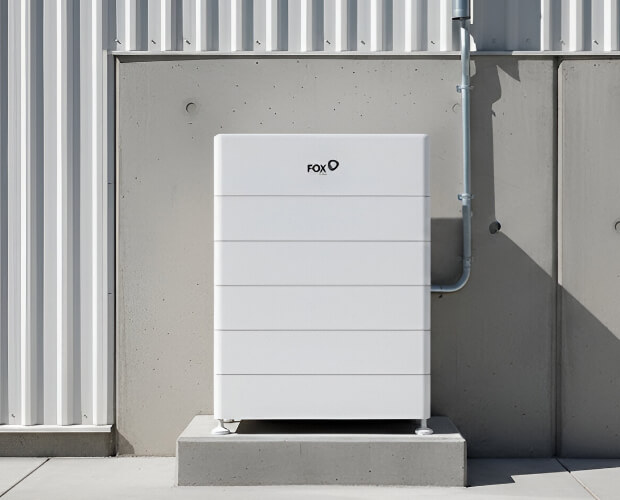
Integrating a solar battery backup with your solar system enhances your energy independence. Batteries like the Tesla Powerwall store surplus solar energy generated during the day, making it available for use at night or on cloudy days. This reduces dependence on the grid and ensures a reliable power source during outages.
For areas prone to blackouts, solar battery storage is especially beneficial, providing continuous power and lowering electricity costs by utilizing stored energy during peak rate periods. Investing in solar battery technology is a smart move for homeowners looking to optimize their solar system’s efficiency and savings.
Electric vehicles (EVs) are leading the shift toward sustainable transportation, steadily replacing traditional petrol and diesel cars. Installing a home EV charger, especially one powered by solar energy, is a strategic step toward lowering both transportation and household electricity costs.
Solar-powered EV chargers work seamlessly with home solar systems, enabling you to charge your vehicle using clean, renewable energy. This setup significantly reduces fuel expenses and carbon emissions over time. Additionally, having an EV charger at home enhances convenience and boosts property value, making it a worthwhile investment for environmentally conscious homeowners.
Upgrading to energy-efficient lighting and smart appliances is a practical and cost-effective way to reduce electricity consumption. LED bulbs use up to 75% less energy than incandescent bulbs and last significantly longer, making them an excellent choice for homeowners looking to cut utility costs.
Smart home devices, such as programmable thermostats, smart plugs, and energy-monitoring systems, help automate and optimize energy usage. For example, a smart thermostat can adjust heating and cooling settings based on occupancy, preventing unnecessary energy waste. Additionally, replacing outdated appliances with energy-efficient models leads to substantial savings, as these modern devices are designed to use less power while maintaining peak performance.
Poor insulation and air leaks are major contributors to high electricity bills. Without adequate insulation, your home loses heat during winter and absorbs excess heat in summer, making your HVAC system work harder. Sealing gaps around windows, doors, and vents, along with upgrading insulation in walls and attics, significantly boosts energy efficiency.
Simple solutions like applying weather stripping, caulking cracks, and using draft stoppers can yield noticeable improvements. For a more thorough solution, professional insulation upgrades help maintain a stable indoor temperature throughout the year. These steps not only lower electricity costs but also enhance comfort and extend your HVAC system’s lifespan.
Solar thermal systems provide a cost-effective method for heating water and spaces, complementing your solar electricity setup. These systems use solar energy to generate heat, lessening the reliance on electricity-intensive heating and cooling systems.
For example, solar water heaters can meet hot water demands, while solar cooling systems use thermal energy to run air conditioning units. Integrating solar thermal solutions with your solar panel system can lead to a significant reduction in energy use, lower electricity bills, and a decreased environmental impact.
Optimizing electricity use involves making thoughtful investments, adopting sustainable practices, and cultivating energy-efficient habits. By performing a home energy audit, installing solar panels and batteries, upgrading to LED lights and smart appliances, and sealing air leaks, you can achieve significant savings while supporting an eco-friendly future. Start implementing these seven strategies now and turn your home into an energy-efficient sanctuary that benefits both your budget and the planet.
Reach Out to SunSelect at 1300 867 353 for Expert Guidance and Money-Saving Options. Explore the Reviews from Our Delighted Customers on ProductReview.com.au.
Make the smart move to energy independence with our solar batteries
Ask Our Battery Expert

Store your excess solar energy, cut peak rates, and protect your home from outages.
Get a free quote tailored to your location
100% Free Quote. No Obligation.
We respect your privacy.

Enter your postcode to see available offers in your area.



NSW Home Energy Saver Loan Program
Available from 17 June 2026