How to Know If Your Solar System Is Underperforming
Is your solar system underperforming? Learn the common signs to watch for, from lower energy production to unexpected electricity bills.

Join Australia’s solar and battery revolution. Get A Free Quote

Solar Battery Power & Savings

Unlock Available Incentives Today

Australia-wide installation & support

August 16, 2024
 Share
Share


1. System Size vs. Energy Consumption
2. Solar Panel Efficiency
3. System Malfunctions
4. Battery Storage Limitations
5. Energy Tariffs and Billing
6. Seasonal and Weather Variations
7. Metering and Billing Errors
8. Solar Panel Placement and Installation
9. Changes in Electricity Rates
10. Lack of Monitoring and Maintenance
If your energy bills are still high, it might be worthwhile consulting with your solar provider or a professional to assess your system and make any necessary adjustments.
1. Use Energy Efficient Appliances
If you’re looking to cut down on your energy use, a great place to start is with your appliances.
Go for the ones that are Energy Star certified—they’re way more efficient than regular models and can seriously lower your electric bill. And why not smarten up your home while you’re at it?
With smart devices, like thermostats, you can control how much energy you use right from your phone. These gadgets are clever, they can automatically turn off your heating or air conditioning when nobody’s home.
That means you’re not wasting energy (and money) heating or cooling a space. Just by upgrading to these energy-efficient appliances and smart devices, you could save up to 10% a year on your energy bills.
2. Unplug Appliances When Not in Use
It’s all about the sneaky power use called “standby power” or “vampire power.” This is the energy that devices use even when they’re turned off, just by being plugged in.
Things like your TV, computer, and even your coffee maker can still consume electricity if they’re plugged into an outlet. So, to easily cut down on this hidden energy drain, plug your devices into a power strip.
When you’re not using them, or if you’re going out, just flip the switch on the power strip to cut all power to the devices. This simple action stops them from drawing power unnecessarily and can help you save around $100 per year on your energy bill.
3. Install LED Lights
A simple swap from those old-school incandescent bulbs to LED light bulbs can make a huge difference.
Well, they shine just as brightly as the old bulbs, but they use way less electricity and last a lot longer. You can screw LED bulbs into any lamp or fixture where you’d normally use a standard bulb.
Making this switch is not just about saving energy; it’s also about saving money. Believe it or not, moving to LED lighting could save you about $4000 over time.
So, next time you’re shopping, grab some LEDs and start changing those bulbs out—you’ll see the difference in your energy bill.
4. Use Solar Water Heaters
If you’re in a place with cold winters and looking to cut down on your heating bills, you can consider installing a solar water heater. These systems harness the sun’s energy to warm up your water tank, which can reduce your utility bills since you’re not using pricey gas or electric heat.
What’s great about solar water heaters is that they can slash your water heating costs by up to 80%. But the benefits of solar energy don’t have to end with just heating water. You can take it a step further by adding more solar panels to your home or by using passive solar designs.
This could include choosing building materials that naturally insulate and retain heat, helping to keep your home cozy without cranking up the thermostat.
5. Upgrade Your Existing Solar System
Technology keeps getting better, and that includes solar panels. The latest models are much better at turning sunlight into electricity than the older ones.
So, if you swap out your old panels for new ones, even if they’re the same size, you’ll end up getting more power from the same amount of sunlight. If you’ve noticed that your current solar system isn’t putting out as much power as before, it might be time for an upgrade.
We prefer going for panels with higher efficiency ratings. These not only produce more energy but also ensure that you get the most out of your investment over the long haul.
High energy bills despite having a solar panel system can be due to a combination of factors. Regular maintenance, monitoring, and adjustments to your system or energy usage habits can help optimize performance and reduce your bills. If you’ve checked all these factors and are still facing high bills, consulting a solar energy professional for a thorough assessment may be necessary.
By taking these proactive steps, you can avoid the pitfalls that lead to high energy bills even after installing a solar panel system. Regular maintenance, optimizing energy usage, and staying informed are key to maximizing your solar investment and enjoying long-term savings on your energy bills.
Reach Out to SunSelect at 1300 867 353 for Expert Guidance and Money-Saving Options. Explore the Reviews from Our Delighted Customers on ProductReview.com.au.
Make the smart move to energy independence with our solar batteries
Ask Our Battery Expert

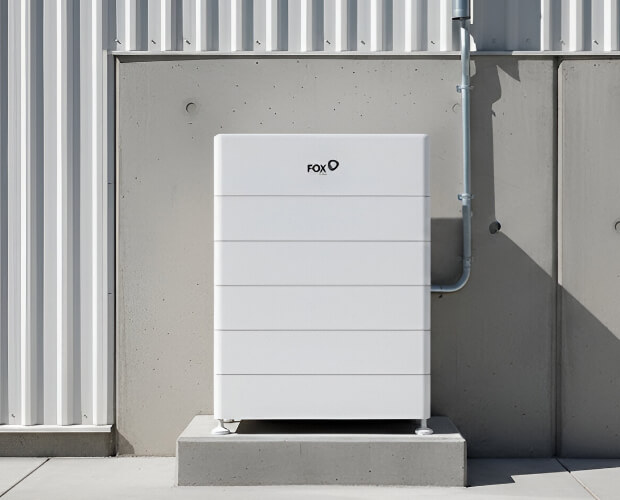
Store your excess solar energy, cut peak rates, and protect your home from outages.
Get a free quote tailored to your location
100% Free Quote. No Obligation.
We respect your privacy.

Enter your postcode to see available offers in your area.



Home Energy Saver Loan Program
Available from 17 June 2026