How to Know If Your Solar System Is Underperforming
Is your solar system underperforming? Learn the common signs to watch for, from lower energy production to unexpected electricity bills.

Join Australia’s solar and battery revolution. Get A Free Quote

Solar Battery Power & Savings

Unlock Available Incentives Today

Australia-wide installation & support
August 03, 2024
 Share
Share


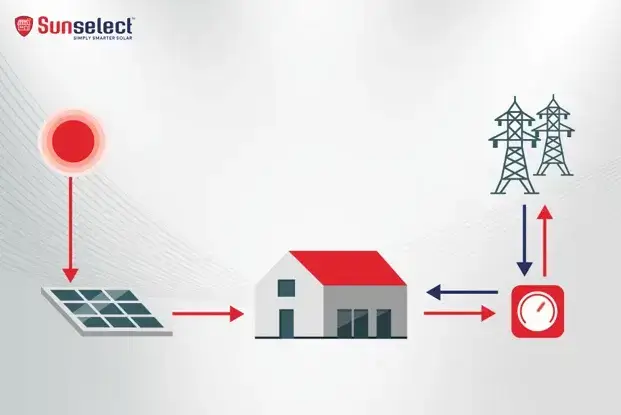
Net metering is the billing system that allows residential and commercial customers who generate excess electricity with their solar panel systems to sell the electricity and send it back to the grid.
With the right size solar energy system, you can produce enough electricity to match your home’s electricity use for the entire year. The utility monitors the meter on your property to hold track of how much energy you use. When your solar panels produce more electricity than your home needs, that excess power will be sent to the power grid. Your utility will then pay you for that power sent to the grid, usually in the form of energy credits on your utility bill. If you pull back more than you produce, you pay the utility for any extra usage.
In general, most homes will produce excess electricity in the summer months and will use more electricity from the grid in the winter. If you produce more power than you use in each month, excess production is credited to your account and rolled over to future months. These credits can be “banked” for times of low production, which means credits you procure in summer can be utilized in winter session when the days are shorter, and the weather is more terrible.
In general, solar energy systems produce more electricity in the afternoon, when many people aren’t home utilizing power. Home power use is commonly higher in the mornings and nighttime. Net metering helps you to track these high points and low points in your everyday electricity production and usage.
With net metering, excess electricity is fed into your electric utility’s grid when your solar system produces more than you need. At the point when this occurs, your meter really runs backward. When your system doesn’t produce enough electricity, you can draw it from your utility similarly as you did before you went solar. In this process, your system and the grid ensure that your excess production will still be utilized, and your deficiencies will be met. The excess electricity your home produces covers the time when your solar system can’t produce enough electricity.
With net metering, the homeowner is only billed for the “net” energy used each month, i.e. the difference between the energy produced by the solar power system and the energy consumed by the house over the monthly billing period.
When your solar system produces more electricity than you use through a month, your service bill will get a credit dependent on the net number of kilowatt-hours you offered back to the network. If you produce less electricity than you use each month, you should purchase power from your utility to compensate for any shortfall. In these cases, you would pay for the power you use, less of any excess electricity your solar panels generated.
Solar net metering has several benefits. It has various advantages from financial to environmental.
1. Cost Savings
2. Increased Return on Investment (ROI)
3. Energy Independence
4. Environmental Benefits
5. Increased Property Value
6. Simplicity and Flexibility
7. Support for the Grid
8. Incentives and Rebates
9. Promotion of Technological Advancement
Regions that offer full retail net metering will have shorter payback periods than territories that don’t offer net metering. On average, solar panel systems have a payback period in the range of four and nine years.
There are several factors that go into determining the payback period for your solar energy system, such as:
Net metering is a vital component of the solar energy ecosystem, offering numerous benefits that make solar power more accessible, affordable, and attractive. By allowing solar panel owners to earn credits for the excess energy they generate, net metering not only provides significant financial savings but also encourages the widespread adoption of renewable energy, contributing to a more sustainable and resilient energy system. The importance of net metering cannot be overstated, as it plays a key role in driving the transition towards a greener and more energy-independent future.
Reach Out to SunSelect at 1300 867 353 for Expert Guidance and Money-Saving Options. Explore the Reviews from Our Delighted Customers on ProductReview.com.au.
Make the smart move to energy independence with our solar batteries
Ask Our Battery Expert

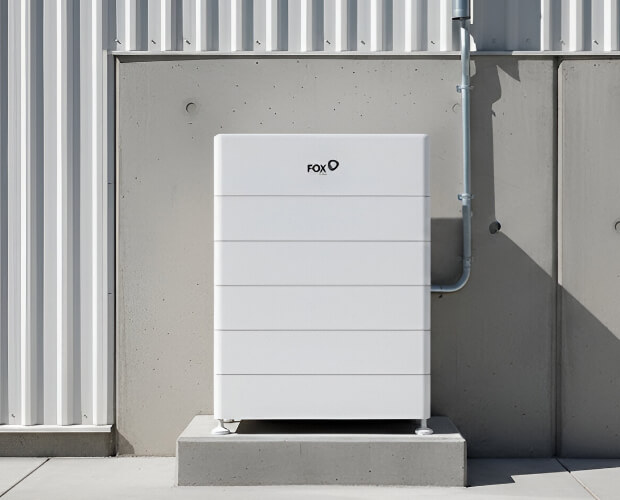
Store your excess solar energy, cut peak rates, and protect your home from outages.
Get a free quote tailored to your location
100% Free Quote. No Obligation.
We respect your privacy.

Enter your postcode to see available offers in your area.



Home Energy Saver Loan Program
Available from 17 June 2026